
Branding for Gen Z is shaping the way businesses connect with one of the most influential generations today. This demographic, born roughly between the late 1990s and early 2010s, possesses unique characteristics and preferences that require brands to pivot their strategies. With an emphasis on authenticity, sustainability, and digital engagement, it’s essential for companies to understand what resonates with Gen Z.
In this discussion, we’ll explore effective branding techniques that not only captivate this audience but also build lasting relationships. We’ll dive into preferred social media platforms, innovative real estate marketing strategies that appeal to Gen Z homebuyers, and the increasing significance of sustainable branding in the real estate market.
Branding Strategies for Gen Z
Engaging Gen Z in branding requires a nuanced understanding of their values, preferences, and the digital landscape they navigate. This generation, born between the late 1990s and early 2010s, has distinct characteristics that influence how they perceive and interact with brands. Emphasizing authenticity, inclusivity, and social responsibility can significantly enhance brand loyalty among this demographic.The importance of branding strategies that resonate with Gen Z cannot be overstated.
This generation is adept at filtering out inauthentic messaging and seeks brands that align with their values. A successful branding strategy leverages the unique characteristics of Gen Z to cultivate a genuine connection. Social media platforms are essential venues for this engagement, serving as both a communication channel and a space for community building.
Effective Branding Techniques
To resonate with Gen Z, brands must adopt several effective techniques that align with their expectations and behavior:
- Authenticity: Brands that communicate transparently and genuinely foster trust. Gen Z prefers brands that show vulnerability and admit mistakes, which humanizes the brand and builds deeper connections.
- Social Responsibility: Demonstrating a commitment to social issues, such as sustainability or equality, is crucial. Brands that actively participate in social causes or promote eco-friendly practices appeal strongly to Gen Z values.
- User-Generated Content: Encouraging and showcasing content created by consumers fosters community and engagement. This approach allows Gen Z to participate in the brand narrative, making them feel valued and heard.
- Interactive Experiences: Brands can create engaging experiences through polls, quizzes, or gamified content that invite participation and interaction, keeping Gen Z actively involved.
- Diverse Representation: Highlighting diversity in marketing materials resonates with Gen Z’s demand for representation. Inclusive campaigns that reflect various backgrounds and experiences enhance relatability and brand loyalty.
The Role of Authenticity in Branding
Authenticity is the cornerstone of effective branding for Gen Z. This generation is highly skeptical of traditional advertising and is quick to dismiss brands that appear disingenuous. Companies that prioritize authenticity actively engage with their audience and incorporate feedback into their strategies.
“Brands that demonstrate authenticity not only attract Gen Z consumers but also cultivate long-term loyalty.”
To embody authenticity, brands should focus on the following aspects:
- Transparent Communication: Open dialogue about brand values, practices, and business operations helps build trust. Sharing behind-the-scenes insights or personal stories creates a relatable brand image.
- Consistent Messaging: Maintaining consistent messages across all platforms reinforces the brand’s identity. Inconsistencies can lead to confusion and distrust.
- Real-Time Engagement: Responding promptly to customer inquiries and engaging in meaningful conversations on social media demonstrates that the brand values its audience’s input.
- Collaborations with Influencers: Partnering with authentic influencers who genuinely resonate with the brand can enhance credibility and extend reach within the Gen Z community.
Preferred Social Media Platforms for Brand Engagement
Gen Z’s choice of social media platforms significantly impacts how brands engage with them. Understanding these preferences is vital for effective branding strategies:
- TikTok: A rapidly growing platform where short, engaging video content thrives. Brands utilize creative challenges and trends to appear relatable and fun.
- Instagram: Favored for its visual appeal, Instagram allows brands to showcase their products through high-quality images and stories, emphasizing aesthetic and engagement.
- YouTube: Known for long-form content, brands can create deeper narratives through tutorials, reviews, and stories that resonate with Gen Z’s desire for informative content.
- Snapchat: With its ephemeral nature, Snapchat is ideal for sharing behind-the-scenes content and exclusive promotions that create a sense of urgency and exclusivity.
- Twitter: This platform is useful for real-time conversations and updates, allowing brands to engage directly with Gen Z and respond to trending topics.
Real Estate Marketing Targeting Gen Z
As the first generation to grow up with technology at their fingertips, Gen Z represents a unique opportunity for the real estate market. They have distinct preferences, values, and behaviors that influence their purchasing decisions. Understanding these nuances is key to effectively marketing properties to this demographic. Real estate marketing strategies must evolve to meet the expectations of Gen Z, focusing on authenticity, digital engagement, and sustainability.
With a keen interest in owning homes that reflect their lifestyles and values, tailoring marketing efforts to this group is essential for success.
Unique Selling Propositions for Gen Z Homebuyers
When targeting Gen Z buyers, real estate professionals should highlight specific selling points that resonate with their values. Here are several propositions that can effectively attract this demographic:
- Eco-Friendly Features: Properties with sustainable features such as solar panels, energy-efficient appliances, and water-saving fixtures appeal to Gen Z’s environmental consciousness.
- Smart Home Technology: Homes equipped with smart technology, like voice-activated assistants and automated security systems, enhance convenience and align with Gen Z’s tech-savvy nature.
- Community-Oriented Spaces: Properties that foster a sense of community, such as shared gardens, co-working spaces, and easy access to local amenities, cater to Gen Z’s preference for social interaction and collaboration.
- Affordability and Flexibility: Highlighting flexible financing options and affordable pricing can resonate with Gen Z’s focus on financial responsibility and their desire for financial independence.
Content Strategy for Digital Channels
An effective content strategy for showcasing real estate must align with the digital habits of Gen Z. This generation spends significant time on platforms like Instagram, TikTok, and YouTube. Crafting engaging content for these channels is crucial. Below are some strategic approaches:
- Visual Storytelling: Utilize high-quality photos and videos to tell the story of properties, emphasizing unique features and lifestyle aspects. Short videos showcasing property tours or neighborhood highlights can be particularly engaging on platforms like TikTok or Instagram Reels.
- User-Generated Content: Encourage satisfied customers to share their experiences on social media. Highlighting testimonials or showcasing buyers’ stories can build authenticity and trust among potential buyers.
- Interactive Content: Create polls, quizzes, or virtual tours to engage users actively. This not only keeps the audience entertained but also provides valuable insights into what features potential buyers prioritize.
- Educational Resources: Share content that educates Gen Z about the home buying process, financing options, and market trends. This can include blog posts, infographics, and videos that simplify complex topics related to real estate.
“Incorporating technology and authenticity into real estate marketing is not just beneficial; it’s essential for connecting with Gen Z homebuyers.”
Sustainable Branding in Real Estate for Gen Z
As Gen Z steps into the housing market, their preferences are reshaping the landscape of real estate branding. Sustainability has emerged as a critical factor in attracting this environmentally conscious generation. Gen Z buyers are not just looking for a place to live; they are seeking homes that align with their values, particularly regarding environmental stewardship. Therefore, embracing sustainable branding is essential for real estate agents aiming to connect with this demographic.The significance of green real estate cannot be underestimated as it appeals directly to Gen Z’s values.
This generation prioritizes ecological responsibility and looks for homes that minimize environmental impact. Properties that feature energy-efficient appliances, sustainable materials, and renewable energy sources not only reduce carbon footprints but also promise lower utility costs, making them attractive investments for young buyers. Real estate listings that highlight eco-friendly certifications, such as LEED or Energy Star, are more likely to catch the eye of Gen Z buyers.
Incorporating Eco-Friendly Practices in Branding
Real estate agents can effectively incorporate eco-friendly practices into their branding strategies. The following methods can help agents resonate with Gen Z’s commitment to sustainability:
- Utilizing Sustainable Materials: Agents can showcase properties that are built with recycled or sustainably sourced materials. Highlighting such features in marketing materials can significantly enhance appeal.
- Green Certifications: Obtaining and promoting green building certifications can set a property apart. Certification can serve as a seal of approval for environmentally conscious buyers.
- Community Engagement: Participating in local environmental initiatives or sponsoring green community events can enhance an agent’s visibility and reputation as a sustainable brand.
- Digital Marketing: Leveraging social media platforms to share content related to sustainable living, such as tips for eco-friendly home improvements, can position agents as thought leaders in sustainability.
Home staging plays a crucial role in promoting sustainable homes to Gen Z. Effective home staging not only showcases the property’s features but also conveys a lifestyle aligned with green values.
Home Staging Strategies for Sustainable Homes
When staging sustainable homes, real estate agents should focus on creating a warm, inviting atmosphere that reflects a commitment to eco-friendliness. Key strategies include:
- Natural and Recycled Furnishings: Using furniture made from sustainable materials or repurposed items can demonstrate a commitment to eco-friendliness while enhancing the aesthetic of the home.
- Plants and Greenery: Incorporating indoor plants not only beautifies the space but also improves air quality. This strategy resonates well with Gen Z’s affinity for nature.
- Energy-efficient Lighting: Staging with LED lighting can showcase energy efficiency, aligning with Gen Z’s values while creating an inviting ambiance.
- Eco-Friendly Decor: Using decor items made from natural or recycled materials can reinforce the sustainable theme and appeal to eco-conscious buyers.
By implementing these strategies, real estate agents can effectively brand themselves as advocates for sustainability, appealing to the values of Gen Z buyers and ultimately driving interest and sales in the competitive real estate market.
Closing Notes
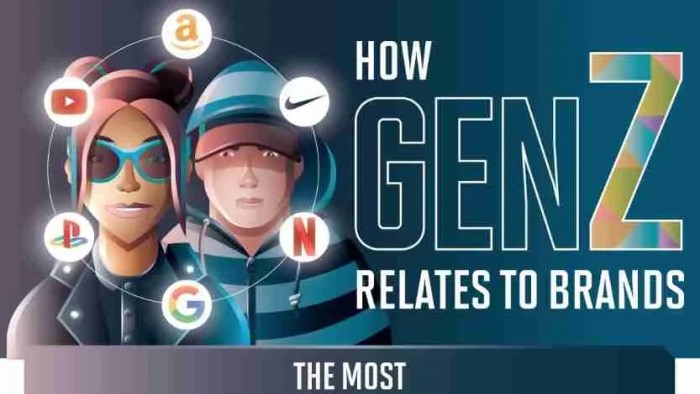
In conclusion, navigating the landscape of Branding for Gen Z is not just about keeping up with trends; it’s about forging genuine connections and promoting values that resonate with this socially conscious generation. By understanding their preferences for sustainability and authentic engagement, brands can craft a compelling narrative that speaks directly to Gen Z. As we move forward, those who adapt their strategies will undoubtedly lead the way in capturing the hearts and minds of this vibrant demographic.
Question Bank
What makes Gen Z different from previous generations?
Gen Z is known for their digital nativity, social consciousness, and preference for authenticity in branding. They value experiences and sustainable practices more than mere products.
How important is social media for branding to Gen Z?
Social media is crucial as Gen Z primarily engages with brands through platforms like Instagram, TikTok, and Snapchat, where visual content and authenticity thrive.
What role does sustainability play in branding for Gen Z?
Sustainability is a significant factor; Gen Z prefers brands that demonstrate eco-friendly practices and a commitment to social responsibility.
How can real estate brands effectively target Gen Z?
Real estate brands can attract Gen Z by showcasing properties with modern aesthetics, utilizing digital marketing strategies, and emphasizing sustainable living options.
What content strategies work best for engaging Gen Z?
Visual content, interactive posts, and authenticity-driven narratives work best. Engaging storytelling that reflects their values can foster a deeper connection.


