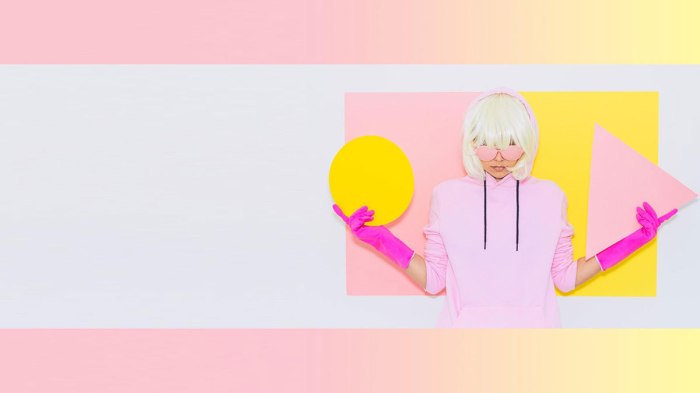
90s fashion comeback is not just a nostalgic nod to the past; it’s a vibrant revival that influences today’s style landscape. As we see the resurgence of iconic trends from oversized denim jackets to chokers, the 90s are back in a big way. This era of fashion, characterized by its eclectic mix of styles and bold expressions, offers a treasure trove of inspiration for contemporary wardrobes.
From the grunge look popularized by musicians to the polished styles of supermodels, the 90s brought forth a variety of fashion statements that continue to resonate. Today, fashion icons from that decade are being reinterpreted through a modern lens, merging classic aesthetics with innovative designs and sustainable practices.
90s Fashion Trends
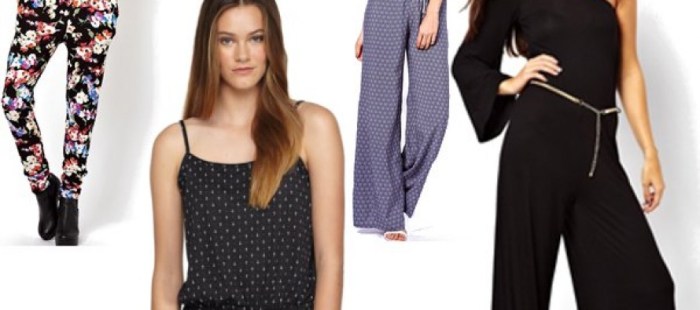
The 90s were a transformative decade for fashion, characterized by eclectic styles that merged comfort with bold expressions of individuality. Today, many of these iconic trends are re-emerging, inspiring a new generation and sparking nostalgia among those who lived through the era. From grunge to glam, the revival of 90s fashion has brought about a fresh appreciation for the styles that defined a generation.One of the most distinctive features of 90s fashion was its diverse range of styles, influenced by music, culture, and the rise of streetwear.
Key trends making a comeback include baggy jeans, crop tops, oversized blazers, and platform sneakers. The layering of clothing, such as wearing turtlenecks under slip dresses, has also become popular again.
Influential 90s Fashion Icons
The impact of 90s fashion icons on contemporary styles cannot be understated. Icons like Naomi Campbell, Kate Moss, and the Spice Girls have shaped modern aesthetics, serving as references for both designers and everyday fashion enthusiasts. Their unique styles showcased individuality and confidence, which are now being celebrated in today’s fashion landscape.
- Naomi Campbell brought the supermodel phenomenon to the forefront, known for her striking runway presence and impeccable style, which included bold prints and high-fashion pieces.
- Kate Moss popularized the ‘heroin chic’ look, characterized by a relaxed, effortless vibe, which continues to influence minimalistic and bohemian styles.
- The Spice Girls introduced a playful, colorful approach to fashion, emphasizing the importance of personal expression through distinctive outfits that ranged from sporty to glam.
The resurgence of these icons’ aesthetics has led to a revival of specific clothing items and styles. Designers today are drawing inspiration from their fashion choices, leading to a blending of styles that celebrate both vintage and contemporary looks.
Comparison of Materials and Styles
The materials and styles of 90s fashion differ significantly from contemporary designs, yet they share a common thread of comfort and self-expression. Whereas 90s fashion often relied on materials like denim, flannel, and faux leather, today’s trends lean towards sustainable fabrics, oversized silhouettes, and tech-infused textiles. s materials:
Denim
The foundation of many outfits, from acid-wash jeans to denim jackets, providing a casual yet stylish look.
Flannel
Often associated with the grunge movement, flannel shirts were worn oversized, layered, or tied around the waist.
Faux Leather
This material was a staple in creating edgy looks, seen in everything from jackets to pants.
Contemporary materials:
Sustainable Fabrics
Eco-friendly materials are gaining popularity, ensuring that fashion is not only trendy but also kind to the environment.
Tech-Infused Textiles
Fabrics that incorporate advanced technology for comfort, durability, and style are now commonplace, blending functionality with fashion.
Athleisure Materials
The rise of athleisure has led to the use of stretchy, breathable fabrics that prioritize comfort without sacrificing style.The juxtaposition of 90s styles with modern materials creates a unique fusion that appeals to both nostalgia and contemporary sensibilities, making the 90s fashion comeback a dynamic movement in the current fashion scene.
Real Estate Market Influences
The resurgence of 90s fashion trends is making waves not only in clothing but also in the realm of real estate design and staging. This nostalgic influence reflects a shift in consumer preferences, highlighting how aesthetics from decades past can shape modern living spaces. As homeowners and buyers find inspiration in retro styles, these elements become increasingly prevalent in today’s real estate market.Fashion trends from the 90s have reintroduced bold colors, geometric patterns, and unique textures into interior design.
This revival is particularly evident in home staging, where properties are styled to evoke a sense of nostalgia while appealing to contemporary tastes. Many buyers today are drawn to homes that feature these distinctive characteristics, as they offer a sense of comfort and familiarity.
Influence of 90s Styles on Home Decoration Trends
The impact of 90s fashion on home decoration trends is significant and multifaceted. Various themes and styles from this era have been reinterpreted to create inviting spaces that resonate with buyers. Key trends include:
- Bold Color Palettes: Bright colors like teal, fuchsia, and lemon yellow, reminiscent of 90s designs, have made their way back into the trend cycle. These hues bring vibrancy and energy to interiors, appealing to those looking for a lively atmosphere.
- Geometric Patterns: Patterns inspired by 90s graphics, including triangles and abstract shapes, are being used in wallpapers, textiles, and decorative accessories. These motifs add a playful touch to homes, helping them stand out in a competitive market.
- Vintage Furniture: The revival of iconic 90s furniture styles, such as oversized couches and modular designs, reflects a shift towards comfort and functionality. Buyers appreciate spaces that balance aesthetics with usability, making these pieces desirable features.
- Eclectic Decor: Mixing and matching various elements from different styles is a defining characteristic of 90s fashion. In homes, this translates into a blend of textures, colors, and eras, creating personalized and unique spaces that attract buyers.
Incorporating these trendy home features can significantly impact real estate value and marketability. Properties that embrace popular design elements from the 90s often command higher prices, as they resonate with buyers seeking a blend of nostalgia and modernity. For instance, a home featuring a retro color scheme and vintage decor may attract more attention during showings, leading to quicker sales and potentially higher offers.
Homeowners aiming to capitalize on current trends may also consider integrating features like open floor plans, which were popularized in the 90s, alongside modern amenities. Such combinations create spaces that are not only attractive but also functional for contemporary living. Overall, the intersection of 90s fashion and real estate presents an exciting opportunity for homeowners and realtors alike. As consumer preferences continue to evolve, the appeal of nostalgic styles can enhance property value and marketability in an ever-changing landscape.
Sustainable Living and Green Real Estate
The intersection of 90s fashion and modern sustainability practices in real estate reveals exciting opportunities for homeowners and builders alike. With a renewed interest in eco-friendly living, the nostalgia of the 90s can inspire innovative solutions that respect both style and the environment. As sustainable living becomes a priority, integrating retro design elements can help foster a sense of connection to the past while paving the way for a greener future.One notable trend from the 90s that aligns with today’s sustainability efforts is the use of natural materials.
During that era, wood, stone, and other organic materials were celebrated for their aesthetic and tactile qualities. Today, incorporating these elements into green building practices not only enhances the visual appeal but also reduces reliance on synthetic materials. For instance, reclaimed wood from old structures can be repurposed into flooring or accent walls, creating a unique blend of old and new.
Moreover, the 90s embrace of open spaces and large windows can be revitalized through designs that prioritize natural light and airflow, thereby reducing energy consumption.
Retro-Inspired Sustainable Home Features
Incorporating sustainable features that reflect the 90s aesthetic can create homes that are both stylish and environmentally friendly. The following list highlights some of these features:
- Earthy Color Palettes: Soft greens, warm browns, and muted pastels reminiscent of 90s fashion can create a calming atmosphere while using low-VOC paints and finishes that are better for indoor air quality.
- Vintage Lighting Fixtures: Retro lighting can be achieved through the use of energy-efficient LEDs in fixtures that mimic the styles of the 90s, such as pendant lights and whimsical chandeliers.
- Natural Fiber Textiles: Using organic cotton, linen, or wool for upholstery and drapery not only brings back the textures of the 90s but also contributes to a healthier indoor environment.
- Eco-Friendly Appliances: Choosing appliances with Energy Star ratings that reflect the chunky designs of the 90s can combine nostalgia with modern efficiency.
- Indoor Plants: Incorporating houseplants popular in the 90s, such as pothos and peace lilies, enhances air quality and brings a touch of natural beauty indoors.
Integrating these features not only pays homage to 90s design but also aligns with the principles of sustainable living. By consciously selecting materials and designs that prioritize environmental impact, homeowners can create spaces that honor the past while embracing a greener future.
“Sustainability in design is not just a trend; it’s a necessity for our future.”
Conclusion
In summary, the 90s fashion comeback not only revives cherished trends but also integrates them into a modern context that values both style and sustainability. As we embrace these nostalgic elements, we also acknowledge their impact on various aspects of our lives, including home decor and real estate. This blend of past and present continues to shape our tastes, ensuring that the spirit of the 90s will endure for generations to come.
Top FAQs
What are the key fashion trends from the 90s making a comeback?
Key trends include oversized silhouettes, high-waisted jeans, crop tops, and platform shoes.
How have 90s fashion icons influenced modern styles?
Icons like Jennifer Aniston and Kurt Cobain have set lasting trends, inspiring current fashion with their unique styles.
What materials were popular in 90s fashion?
Denim, flannel, and various synthetic fabrics were widely used, often in bold colors and prints.
How do 90s trends influence home decor?
Elements like bright colors and retro patterns are being reintroduced into modern home designs, reflecting 90s aesthetics.
What sustainable practices align with 90s design elements?
Using retro materials and designs can promote recycling and sustainable sourcing in home construction.


