Conversion rate optimization tools are essential in today’s digital marketing landscape, acting as powerful allies for businesses aiming to enhance their online performance. By employing these tools, marketers can analyze user behavior, identify bottlenecks in their sales funnels, and ultimately boost their conversion rates. This introduction sets the stage for a deeper exploration of the myriad options available for optimizing conversion rates.
With a variety of innovative tools at their disposal, marketers can tailor their strategies to meet the unique needs of their audience. From user experience enhancements to data analytics, these tools not only streamline marketing efforts but also provide valuable insights that help in making informed decisions. Let’s dive into the effective strategies and tools that can elevate your conversion rates.
Conversion Rate Optimization Tools
In the fast-paced world of digital marketing, conversion rate optimization (CRO) tools play a crucial role in enhancing the effectiveness of online campaigns. These tools are designed to analyze user behavior on websites, helping marketers identify areas of improvement that can lead to higher conversion rates. By leveraging these tools, businesses can maximize the effectiveness of their marketing strategies, ultimately resulting in increased sales and customer engagement.The primary benefit of utilizing CRO tools is their ability to provide data-driven insights that inform decision-making.
These insights allow marketers to experiment with various elements of their websites—such as layout, design, and content—to determine what resonates best with their audience. Through continuous testing and optimization, businesses can enhance user experiences, reduce bounce rates, and increase the likelihood of conversions.
Effective Conversion Rate Optimization Tools
A variety of tools are available to assist in conversion rate optimization efforts, each offering unique features that cater to different aspects of the optimization process. Below are some of the most effective tools along with their distinctive functionalities:
- Google Optimize: This free tool allows businesses to run A/B tests and multivariate tests, helping marketers understand which variations of their web pages yield the best results. Its integration with Google Analytics provides comprehensive insights into user behavior.
- Hotjar: Hotjar combines heatmaps, session recordings, and surveys to provide a detailed view of how users interact with websites. The insights gathered can inform design changes and content adjustments that enhance user engagement.
- Optimizely: Known for its powerful A/B testing capabilities, Optimizely allows users to test different versions of web pages and analyze performance metrics. Its easy-to-use interface makes it accessible for marketers at any skill level.
- Crazy Egg: This tool offers heatmaps and scrollmaps that visualize how users navigate a website. By understanding where users click and how far they scroll, marketers can make informed decisions about layout and content placement.
- Unbounce: Unbounce specializes in creating landing pages optimized for conversions. With its drag-and-drop editor, marketers can quickly build and test landing pages without needing developer assistance.
Integrating these tools into existing marketing strategies can significantly enhance overall performance. Implementing A/B testing with tools like Google Optimize or Optimizely can help marketers identify the most effective elements of their campaigns. Moreover, combining user behavior insights from Hotjar and Crazy Egg allows for a more comprehensive understanding of visitor interactions, which can inform content creation and design modifications.
For businesses focused on lead generation, using Unbounce to create tailored landing pages can streamline conversion processes, ensuring that traffic from campaigns translates to measurable results.
Utilizing CRO tools can lead to substantial increases in conversion rates, driving revenue growth and improving overall marketing ROI.
Real Estate Performance Metrics
Real estate agents operate in a competitive environment where tracking performance metrics is crucial for enhancing conversion rates. Understanding these metrics helps agents optimize their marketing strategies, improving client engagement and ultimately leading to more sales. Key performance indicators (KPIs) provide insights into how well listings are performing and how effective marketing campaigns are at generating leads.To enhance conversion rates, real estate agents should focus on a variety of performance metrics.
These metrics not only provide a clear picture of the effectiveness of their efforts but also highlight areas needing improvement. By analyzing these metrics, agents can make data-driven decisions to enhance their marketing strategies and overall performance.
Key Performance Metrics for Real Estate Agents
The following metrics are essential for real estate agents to monitor. Each metric plays a vital role in understanding client behavior and listing performance:
- Lead Conversion Rate: The percentage of leads that become clients. A higher conversion rate indicates effective follow-up and engagement strategies.
- Average Days on Market: This metric shows the average time a property remains listed before it is sold. A shorter duration can signify effective marketing and pricing strategies.
- Cost Per Lead: The total marketing expenditure divided by the number of leads generated. Tracking this helps agents allocate their budgets more efficiently.
- Return on Investment (ROI): A measure of the profitability of marketing campaigns, calculated by comparing the revenue generated against the costs incurred.
- Website Traffic: Monitoring visits to real estate listings allows agents to gauge interest levels and inform marketing adjustments.
Methods for Analyzing Conversion Rates in Real Estate Marketing
Analyzing conversion rates involves employing various methods tailored specifically for real estate listings and marketing campaigns. These methods include:
- Utilizing CRM Tools: Customer Relationship Management tools help agents track interactions with leads and clients, providing insights into conversion patterns.
- Setting Up Tracking Parameters: Implementing UTM parameters in marketing campaigns allows agents to monitor the source of traffic and the effectiveness of each channel in generating leads.
- Conducting A/B Testing: Testing different marketing strategies on small segments of an audience can reveal what approaches work best for conversion.
- Regularly Reviewing Analytics: Using platforms like Google Analytics to track user behavior on listing pages helps identify where potential buyers lose interest.
Comparison of Real Estate Marketing Tools and Their Impact on Conversion Rates
Understanding different marketing tools and their effectiveness can aid agents in choosing the right platforms for their needs. The following table compares notable real estate marketing tools based on their impact on conversion rates:
| Tool Name | Features | Impact on Conversion Rates |
|---|---|---|
| HubSpot | Email marketing, CRM, analytics | High; effective lead nurturing increases conversion rates. |
| Mailchimp | Email campaigns, audience segmentation | Medium; good for targeted campaigns but limited CRM capabilities. |
| Real Geeks | Lead generation, IDX integration | High; integrates lead capture tools directly with listings. |
| Follow Up Boss | CRM, lead management | High; improves follow-up efficiency leading to higher conversion. |
“Tracking the right metrics can significantly enhance a real estate agent’s ability to convert leads into clients.”
Strategies for Real Estate Agents
In the competitive world of real estate, improving conversion rates on websites is crucial for agents looking to maximize their leads and sales. With a few effective strategies, agents can enhance their online presence while appealing directly to potential buyers. By understanding the key elements that influence a buyer’s decision-making process, agents can create a more compelling online experience that leads to successful transactions.
Home Staging and Its Influence
Home staging plays a significant role in attracting potential buyers and has a direct impact on conversion rates. When properties are staged effectively, they create an inviting and aspirational environment that allows buyers to envision themselves living in the space. A well-staged home highlights its best features and minimizes any drawbacks, making it easier for buyers to connect emotionally with the property.
- Staged homes often sell faster than non-staged homes. According to the National Association of Realtors, 77% of buyers’ agents reported that staging a home made it easier for a buyer to visualize the property as their future home.
- Investing in staging can lead to higher sale prices. On average, staged homes can see a return on investment of up to 10% compared to their unstaged counterparts.
- Staging can be tailored to the target market. For example, a modern aesthetic may appeal to younger buyers, while a classic or traditional style might resonate more with families.
Importance of Green Real Estate Practices
Incorporating green practices into real estate not only helps the environment but also appeals to a growing segment of eco-conscious buyers. Sustainable features can significantly impact conversion rates, as more consumers prioritize energy efficiency and environmentally friendly living when making purchasing decisions.
- Energy-efficient appliances and sustainable building materials are attractive to buyers looking to reduce their carbon footprint and save on utility bills.
- Properties with green certifications often command higher prices. A study by the U.S. Green Building Council found that green homes sell for an average of 9% more than traditional homes.
- Marketing the eco-friendly aspects of a property can differentiate it in a crowded market. Highlighting features such as solar panels, rainwater harvesting systems, and energy-efficient windows can appeal to buyers’ values.
Wrap-Up
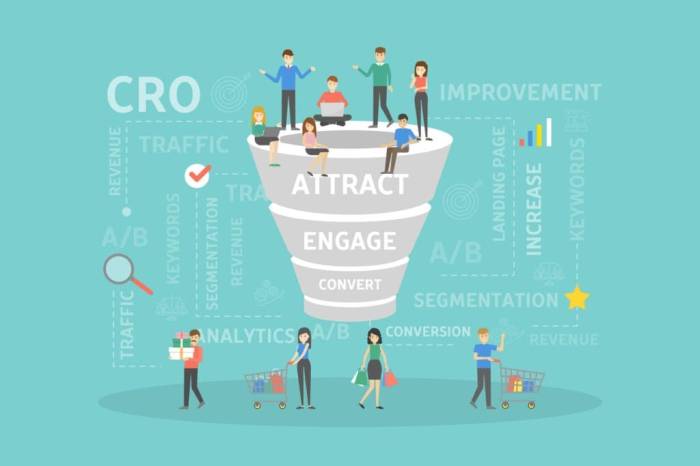
In conclusion, leveraging conversion rate optimization tools is a game changer for any marketing strategy, particularly for those in the competitive real estate sector. By understanding the tools available and how they can be integrated into existing frameworks, marketers can significantly enhance their performance. As we’ve discussed, the right strategies paired with effective tools can transform potential leads into satisfied customers.
Top FAQs
What are conversion rate optimization tools?
Conversion rate optimization tools are software applications designed to help businesses analyze user behavior and improve their sales processes to increase the percentage of visitors who take a desired action.
How can I choose the right tool for my business?
Consider factors such as your specific goals, the features offered by the tool, ease of integration with your current systems, and user reviews to make an informed decision.
Are these tools easy to use for beginners?
Many conversion rate optimization tools come with user-friendly interfaces and tutorials, making them accessible for beginners, although some may require a learning curve.
How often should I analyze my conversion rates?
It’s advisable to analyze your conversion rates regularly—monthly or quarterly—to track performance trends and make timely adjustments to your strategies.
Can these tools help with A/B testing?
Yes, most conversion rate optimization tools include features for A/B testing, allowing you to compare different versions of your content to see which performs better.