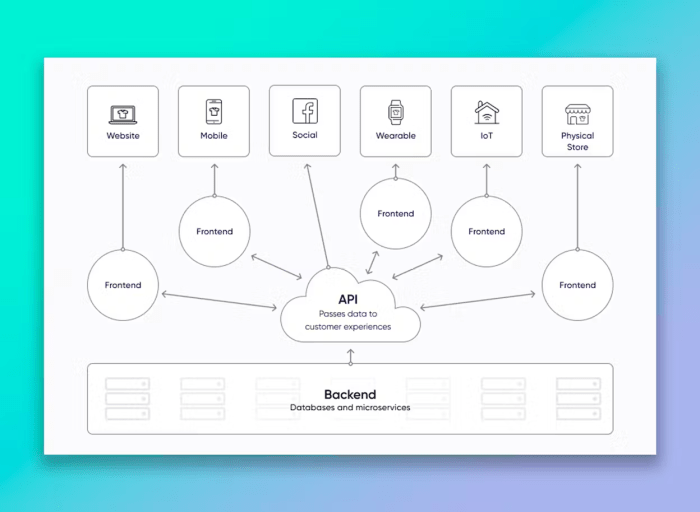
Headless commerce solutions are revolutionizing the way businesses approach online selling by decoupling the front-end presentation layer from the back-end functionalities. This innovative approach allows companies to deliver unique shopping experiences while maintaining flexibility and control over their technology stack. With the demand for personalized shopping journeys on the rise, understanding headless commerce becomes essential for businesses aiming to stay competitive in the digital landscape.
As businesses explore the benefits of headless commerce, it becomes clear that this architecture enables greater agility in adapting to market changes, optimizing performance, and enhancing user experiences. By leveraging modern technologies, companies can create tailored solutions that resonate with customers, fostering loyalty and driving sales.
Headless Commerce Solutions Overview
Headless commerce is revolutionizing the way businesses approach online retail by decoupling the front-end presentation layer from the back-end e-commerce functionality. This modern architecture allows companies to create highly customizable and responsive shopping experiences while streamlining operations behind the scenes. Businesses are increasingly adopting headless commerce to stay competitive and meet the evolving expectations of consumers.Headless commerce offers a unique approach compared to traditional e-commerce platforms.
In a conventional model, the front end and back end are tightly integrated, limiting flexibility and innovation. Headless solutions, on the other hand, provide greater freedom to design and modify the user interface independently from the back-end processes. This separation enables businesses to adapt quickly to market trends, implement new technologies, and enhance customer experiences without being constrained by the limitations of a monolithic system.
Key Components of Headless Commerce Architecture
Understanding the essential components of headless commerce architecture is crucial for businesses looking to implement this solution. The architecture typically comprises several key elements that work harmoniously to deliver a seamless shopping experience.
- API Layer: The backbone of headless commerce, APIs (Application Programming Interfaces) facilitate communication between various services and applications. They allow the front end to access back-end functionalities without direct coupling, ensuring flexibility and adaptability.
- Front-End Framework: Businesses can utilize various technologies and frameworks (such as React, Angular, or Vue.js) to create captivating user interfaces that cater to specific consumer needs. This enables a more personalized and engaging shopping experience.
- Back-End Services: These include inventory management, order processing, payment gateways, and customer relationship management. The back end can be customized or replaced without affecting the front-end experience, allowing businesses to optimize their operations continually.
- Content Management System (CMS): A headless CMS provides the ability to create, manage, and deliver content across multiple channels. This ensures consistent messaging and branding, regardless of where the content is displayed.
- Analytics and Optimization Tools: Incorporating analytics tools enables businesses to gather data on user behavior and performance, providing insights that can drive improvements and enhance the overall user experience.
By leveraging these components, businesses can build a scalable and future-proof e-commerce solution that adapts to changing consumer demands and technological advancements.
Implementation of Headless Commerce in Various Industries
Headless commerce solutions are revolutionizing how industries operate, providing flexibility and scalability to businesses of all kinds. One sector that stands to gain immensely from these solutions is real estate. By decoupling the front-end user experience from the back-end systems, real estate professionals can create tailored experiences that meet the unique demands of clients and market conditions.Headless commerce solutions can be effectively applied in the real estate sector by facilitating seamless integrations between various platforms such as property listings, financial services, and customer relationship management systems.
This flexibility is crucial in managing the diverse needs of real estate transactions and ensuring that all stakeholders have access to the necessary information in real-time.
Successful Implementations in Commercial Construction and Property Management
The implementation of headless commerce in commercial construction and property management has shown promising results. A notable example includes a commercial real estate firm that adopted a headless architecture to streamline its property management services. By integrating its CRM with a user-friendly front-end interface, agents could provide instant access to property details, scheduling, and client communications, thereby enhancing overall efficiency.Similarly, a large property management company utilized headless commerce to create a centralized platform where tenants could pay rent, submit maintenance requests, and access community information.
This approach not only improved tenant satisfaction but also reduced administrative overhead by automating various processes.The benefits of headless commerce for real estate agents and realtors are manifold. By leveraging these solutions, real estate professionals can:
- Enhance the customer experience through personalized interfaces tailored to buyer preferences.
- Utilize data analytics to gain insights into market trends and client behavior, enabling informed decision-making.
- Streamline the sales process by integrating all necessary tools into a single, cohesive platform.
- Expand their digital presence across multiple channels without the constraints of traditional e-commerce solutions.
“Headless commerce allows real estate professionals to adapt quickly to changing market demands, ultimately leading to more successful transactions.”
The advent of headless commerce in the real estate sector is not just a trend; it is a shift towards a more efficient, streamlined way of doing business that aligns with modern consumer expectations.
Future Trends and Innovations in Headless Commerce
The realm of headless commerce is rapidly evolving, driven by technological advancements and shifting consumer expectations. With the integration of innovative technologies like artificial intelligence (AI) and blockchain, businesses can enhance their operational efficiencies, personalize customer experiences, and build trust in transactions. Understanding these trends is essential for any organization looking to thrive in the digital marketplace.
Emerging Technologies Enhancing Headless Commerce
Emerging technologies play a crucial role in shaping the future of headless commerce. AI offers robust capabilities to analyze consumer behavior, automating processes and enabling hyper-personalization in marketing strategies. Blockchain technology enhances security and transparency, facilitating trust in transactions between buyers and sellers. For instance, AI can predict customer preferences by analyzing data patterns, allowing businesses to tailor offerings effectively.
Meanwhile, blockchain can streamline payment processes, reducing transaction times and costs. The implementation of these technologies can significantly improve customer experience and operational efficiency.
Roadmap for Real Estate Businesses to Adopt Headless Commerce Strategies
For real estate businesses looking to embrace headless commerce, a structured roadmap ensures a smooth transition. The following steps Artikel a strategic approach to integration:
1. Assess Current Infrastructure
Evaluate the existing technology stack and identify areas for improvement or integration with headless solutions.
2. Define Customer Experience Goals
Clearly Artikel the desired customer journey and how headless commerce can enhance it.
3. Select the Right Technology Partners
Collaborate with technology providers that offer headless commerce solutions tailored to the real estate sector.
4. Implement Integration Gradually
Start with a pilot program to integrate headless solutions, ensuring all stakeholders are on board.
5. Measure and Optimize
Continuously track performance metrics and gather customer feedback to refine strategies and improve the user experience.This structured approach not only facilitates adoption but also enhances the overall effectiveness of headless commerce strategies in real estate.
Comparison of Traditional Real Estate Marketing Methods and Innovative Approaches Enabled by Headless Commerce
The shift towards headless commerce has ushered in innovative marketing strategies that significantly differ from traditional methods. Traditional real estate marketing often relied on print advertisements, open houses, and limited online presence. In contrast, innovative approaches powered by headless commerce leverage data and technology to create a more dynamic marketing environment.For example, personalized email campaigns utilizing AI can target potential buyers more accurately.
Virtual tours and 3D property visualizations offer immersive experiences that traditional showings cannot match. The following table illustrates key differences between traditional and innovative marketing methods in real estate:
| Traditional Methods | Innovative Approaches |
|---|---|
| Print Ads and Flyers | Targeted Digital Campaigns using AI |
| Open Houses | Virtual Tours and Webinars |
| Limited Online Listings | Dynamic Property Aggregation with APIs |
| Generic Marketing Content | Personalized Content Delivery |
The shift towards these innovative methods not only enhances engagement but also improves conversion rates as businesses adapt to the preferences of modern consumers.
Closure
In conclusion, headless commerce solutions present a promising avenue for businesses looking to innovate and streamline their e-commerce strategies. By embracing this model, companies can not only meet the evolving demands of their customers but also position themselves at the forefront of the digital marketplace. As technology continues to advance, the potential for headless commerce to shape the future of online retail is boundless, making it an exciting area for exploration and investment.
FAQ Compilation
What exactly is headless commerce?
Headless commerce refers to a decoupled e-commerce architecture where the front-end presentation layer is separated from the back-end functionalities, allowing for greater customization and flexibility.
How does headless commerce benefit businesses?
It enhances agility, improves user experiences, and allows for faster implementation of updates and features, ultimately leading to better customer satisfaction.
Can headless commerce be integrated with existing systems?
Yes, headless commerce solutions can be integrated with existing systems via APIs, enabling businesses to maintain their current infrastructure while enhancing their capabilities.
Is headless commerce suitable for small businesses?
Absolutely! While headless commerce is often utilized by larger enterprises, small businesses can also benefit from its flexibility and scalability.
What industries can benefit from headless commerce?
Headless commerce can be applied across various industries, including retail, real estate, and hospitality, providing tailored solutions to meet diverse customer needs.


